
A Beginner’s Guide to Residential Solar Power
Learn how residential solar works, its benefits, costs, and how to start saving with clean energy today.
Introduction
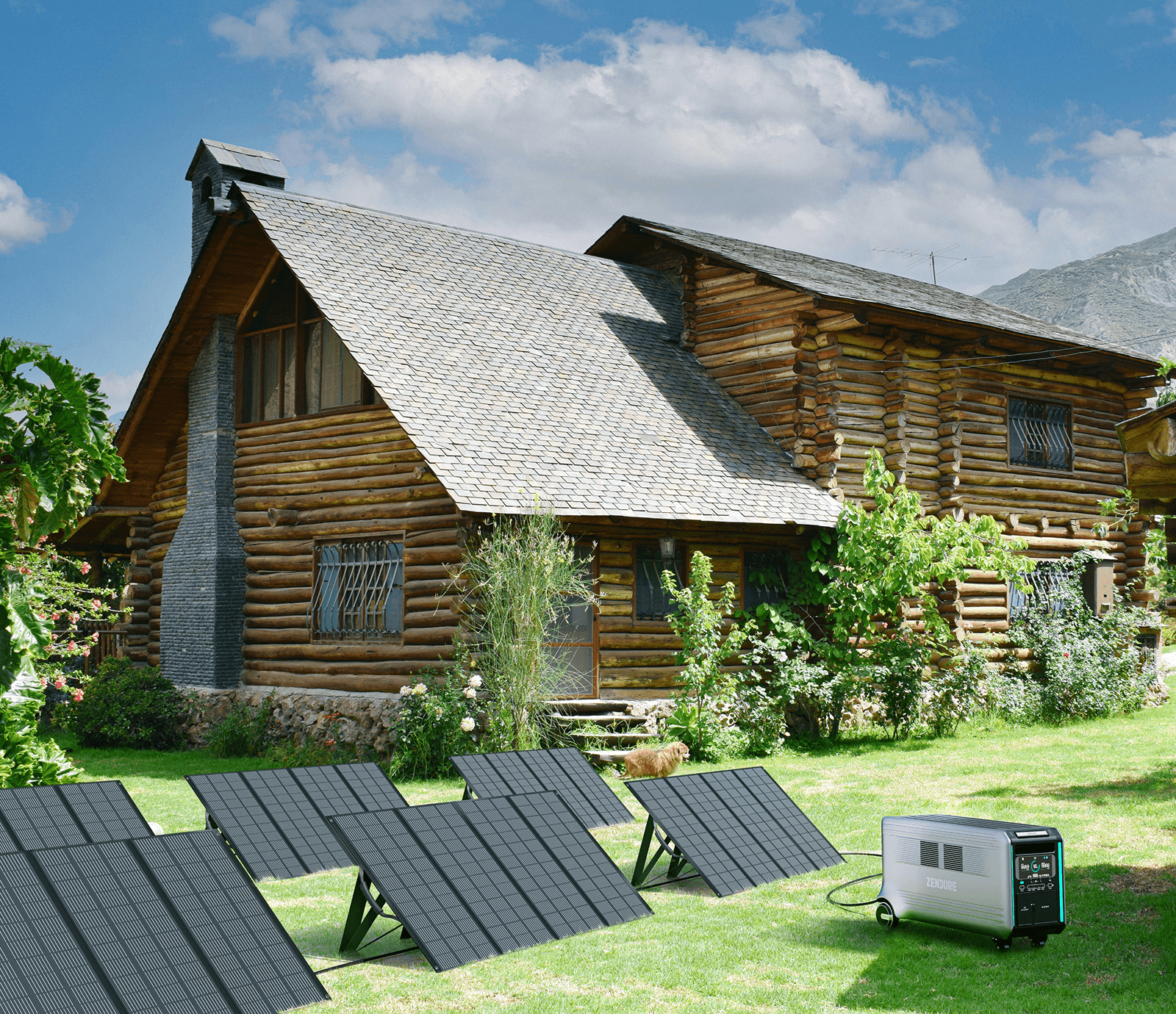
Residential solar power is becoming an essential solution for homeowners looking to reduce energy costs and embrace sustainable living. Solar panels convert sunlight into electricity, providing a clean, renewable energy source for your home. For beginners, understanding how solar works, the installation process, and potential savings is key to making an informed decision. Investing in solar not only reduces electricity bills but also contributes to a greener, more energy-independent lifestyle.
Benefits
The benefits of residential solar power are substantial. Homeowners can save hundreds of dollars annually on electricity bills while protecting themselves from rising energy prices. Solar energy systems also increase property value, making homes more attractive to potential buyers. Beyond financial savings, solar reduces your carbon footprint, promotes sustainability, and can even provide backup power when combined with battery storage solutions.

Key Challenges
While solar offers many advantages, there are challenges beginners should consider. High upfront installation costs can be a barrier, though incentives and financing options can help. Solar efficiency depends on roof orientation, sunlight availability, and system size. Maintenance is generally low but necessary to ensure optimal performance. Additionally, understanding local regulations, permits, and utility policies is crucial for a smooth installation process.
Our Approach
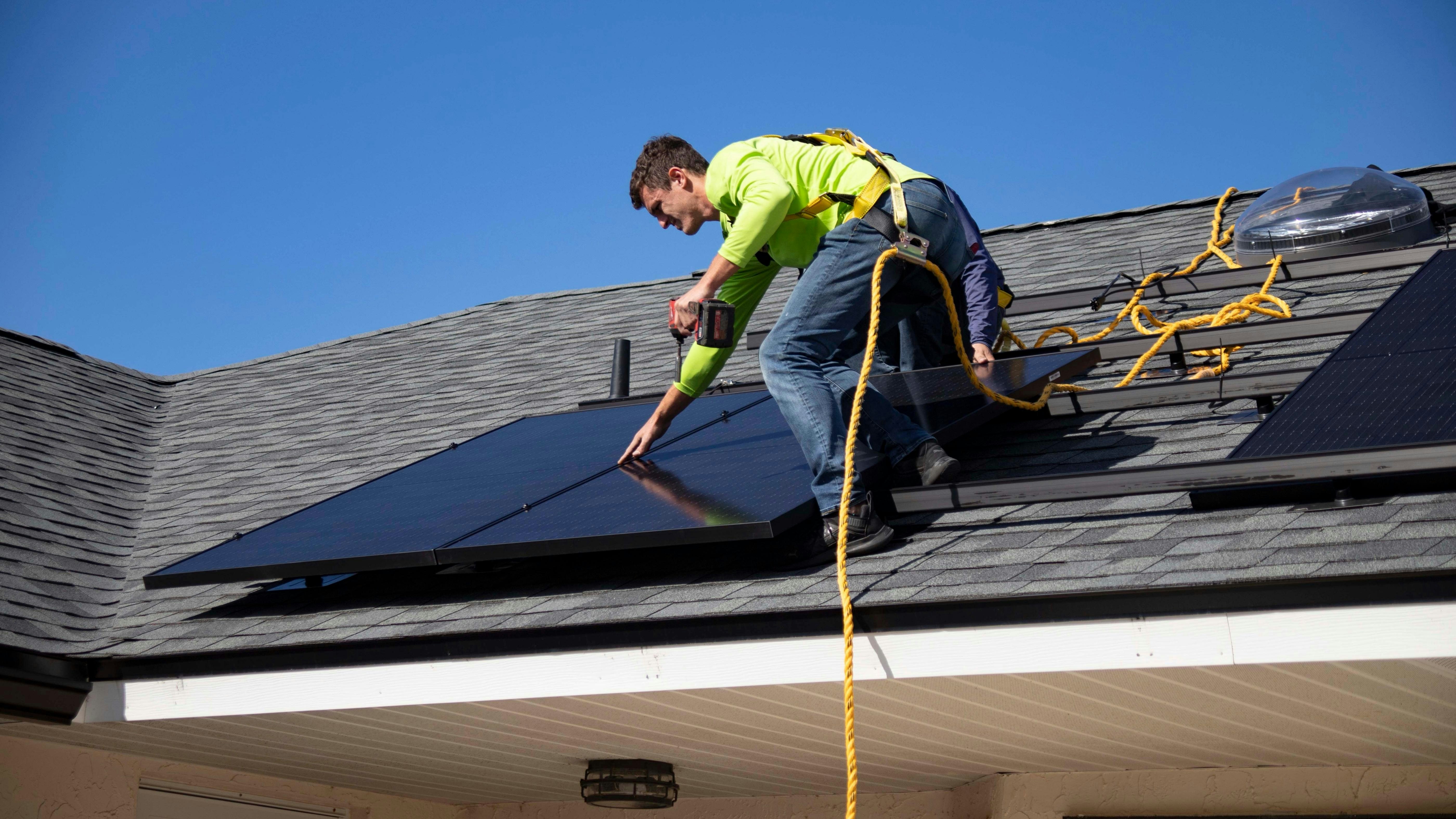
Our approach simplifies the journey to residential solar for beginners. We assess your home’s energy needs, roof suitability, and local incentives to design a tailored solar solution. Professional installation ensures reliability, efficiency, and long-term performance. We also guide homeowners on monitoring energy production, maintaining the system, and maximizing savings, making solar adoption straightforward and stress-free.
Conclusion
Residential solar power is a practical, cost-effective, and eco-friendly choice for homeowners. While there are initial costs and considerations, the long-term financial and environmental benefits far outweigh them. By adopting solar, homeowners gain energy independence, lower utility bills, and contribute to a sustainable future. Starting with the right guidance makes the transition to solar easy and rewarding.